- Home
- Trousers
Trou—sers.
Men's formal trousers in eight categories. Each is defined by how it is cut through the waist, seat, thigh, knee and hem — and each suits different builds, rooms and shoes.
Photographs supplied by Options Mall illustrate each category. Category descriptions are general; for the exact fit, fabric and availability of any garment, please contact Options Mall.
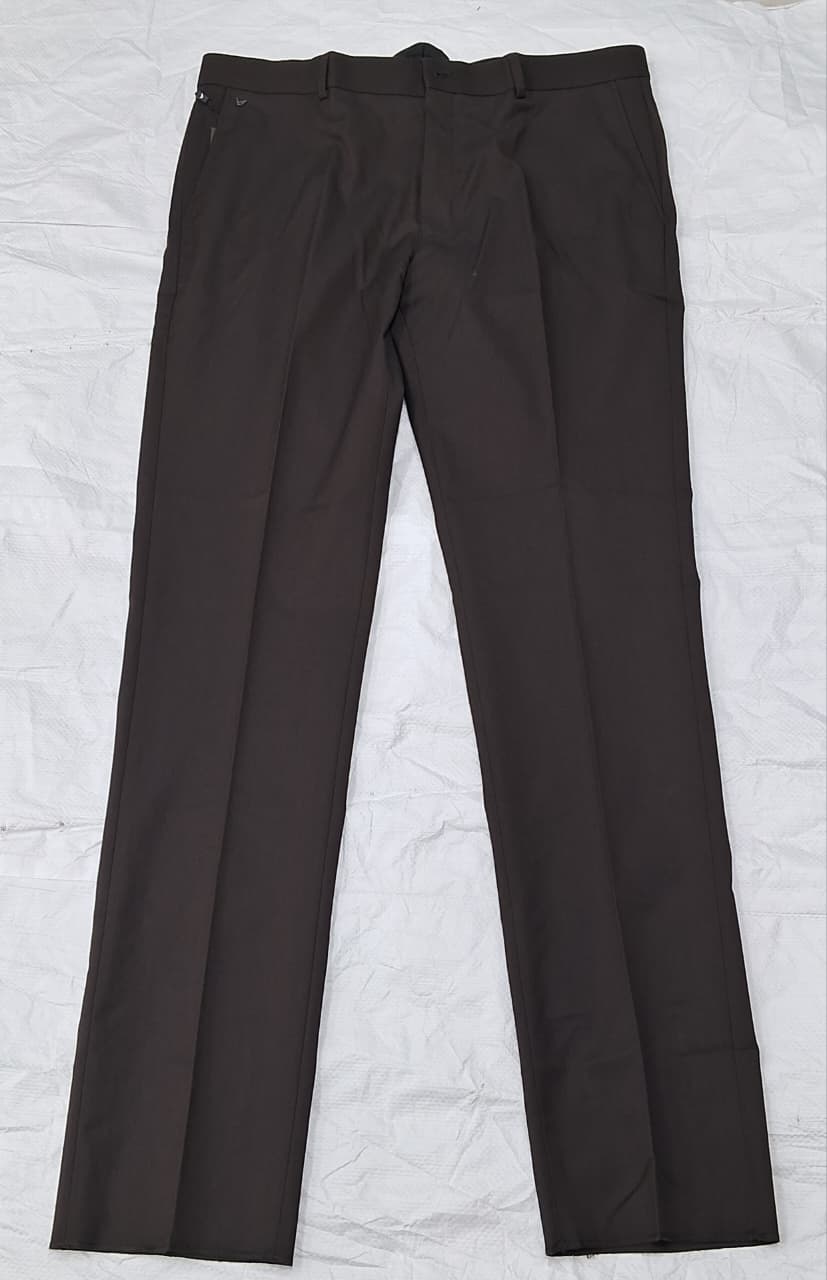
Classic Formal Trousers
The classic formal trouser is the benchmark against which every other style is measured. It sits at a comfortable mid rise, has a clean front with a sharp pressed crease, and falls in a straight or very gently narrowing line to a hem with a slight break.
Because it avoids extremes, it works under a suit jacket, with a blazer, or alone with a formal shirt. It is the first formal trouser most professionals should own, ideally in charcoal or navy, and then in a second, lighter neutral.
Balanced, timeless, dependable
Office, interviews, meetings, events
White or blue shirt, oxfords, leather belt
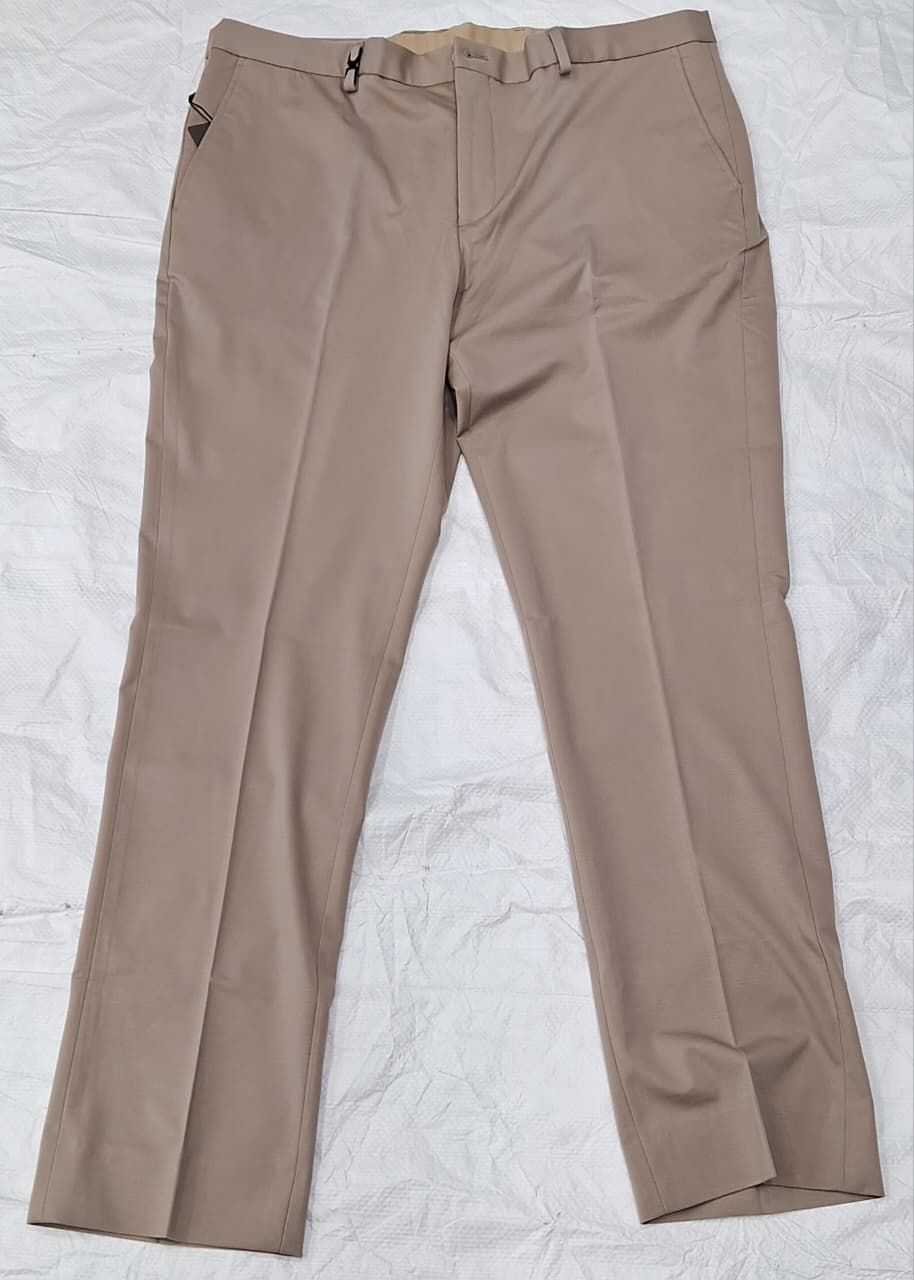
Slim Fit Trousers
Slim fit formal trousers follow the body more closely through the seat and thigh and narrow steadily to a smaller hem opening. The result is a lean, contemporary line that shows the shoe and lengthens the leg.
They suit slimmer and average builds particularly well and look sharpest with a short or no break. Because there is less cloth to move with, accurate sizing matters — and fabrics with a little stretch can make a real difference to comfort through a full working day.
Sharp, modern, streamlined
Contemporary offices, evening events
Fitted shirts, slim loafers, short jackets
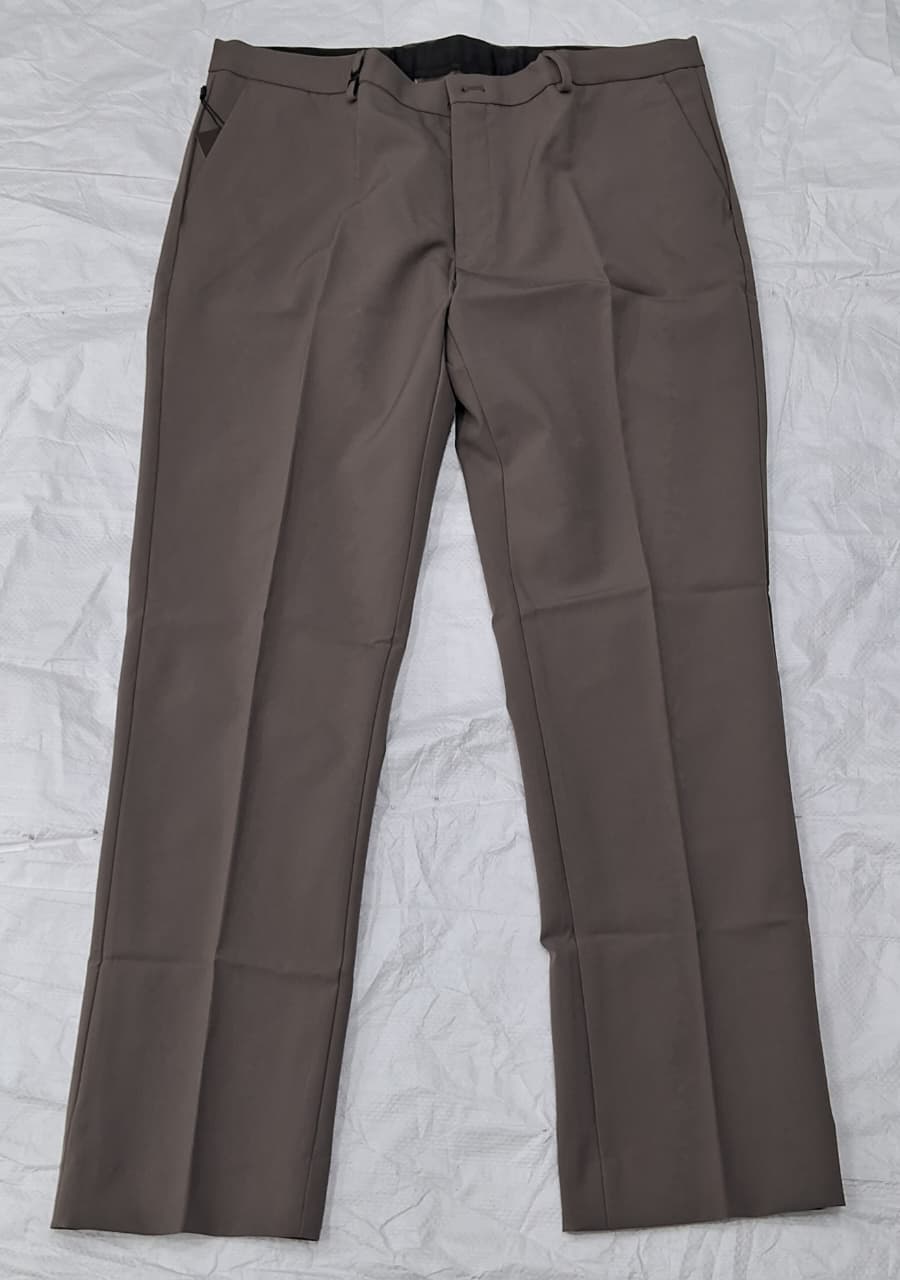
Regular Fit Trousers
Regular fit trousers give comfortable room through the seat and thigh with a moderate, straight-falling leg. They are designed for long days of sitting, standing and travelling — and they suit a broad range of builds.
The key to making regular fit look refined is length and crease: a well-judged slight break and a sharp pressed line keep the extra room looking intentional rather than loose.
Comfortable, composed, versatile
Daily office wear, travel, long days
Classic shirts, derbies, structured blazers
Straight Fit Trousers
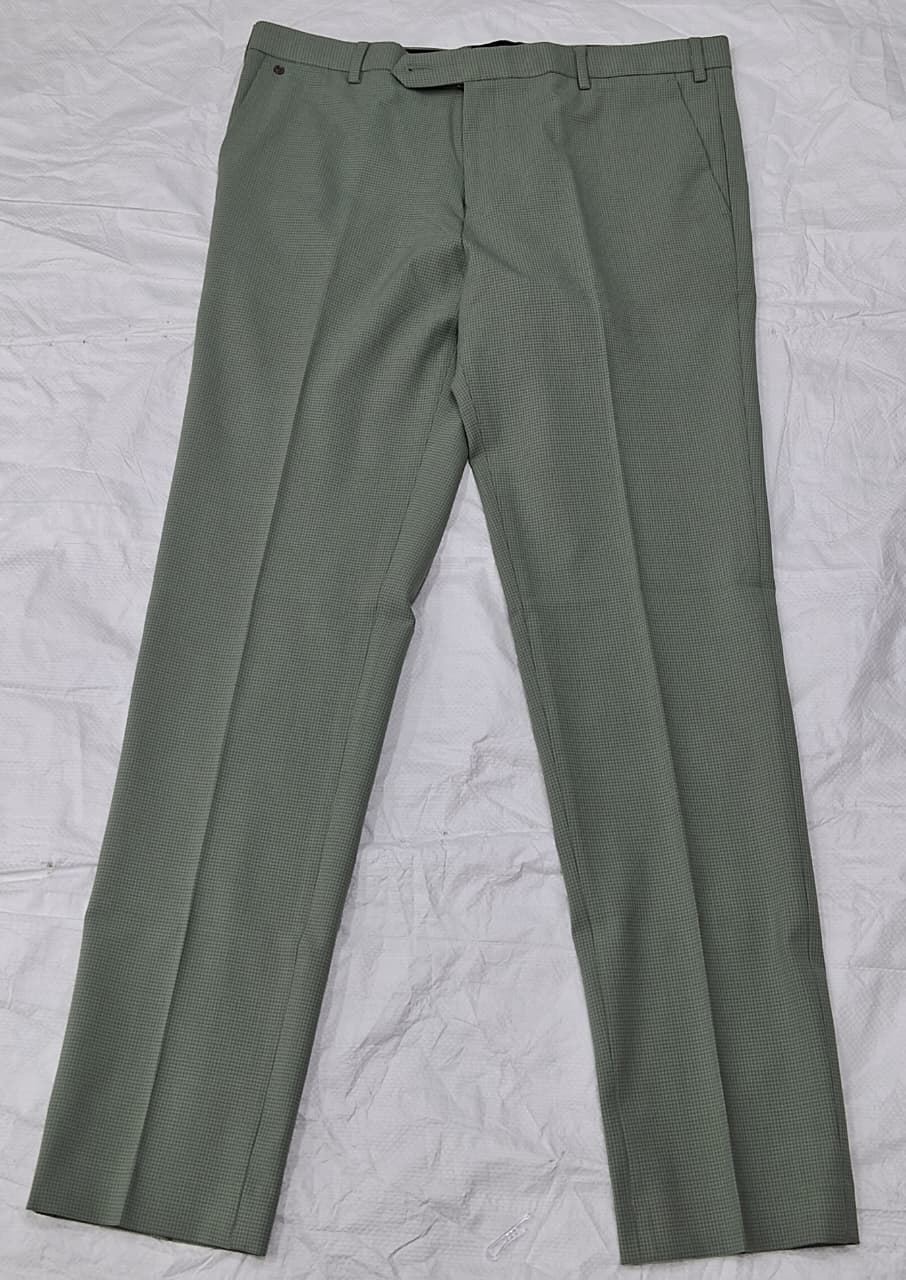
A straight fit keeps the leg width nearly constant from knee to hem, creating a clean vertical column. It sits between slim and regular: neat without being close, generous without being loose.
Straight trousers balance broader shoulders and more substantial footwear like brogues and derbies, and they hold a crease beautifully. They are an excellent choice for taller men and for anyone who prefers a classic look without extra volume.
Clean, architectural, classic
Boardrooms, formal days, suits
Brogues, derbies, longer jackets
Tapered Trousers
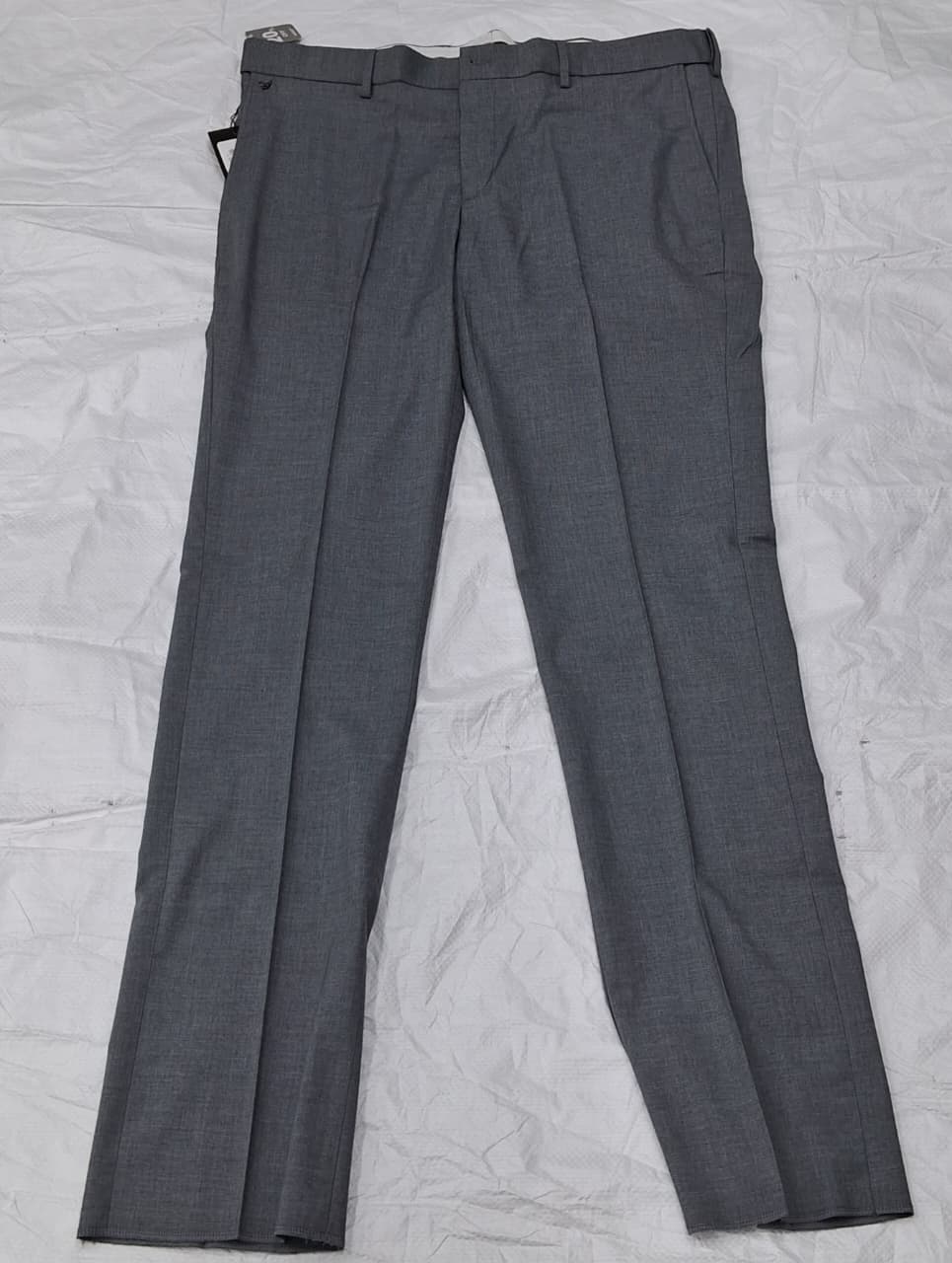
Tapered trousers are fuller through the hip and thigh and narrow progressively from the knee to a neat ankle. They give room where the body moves and precision where the eye lands.
This shape is one of the most forgiving in contemporary menswear: it accommodates athletic thighs while keeping a modern line, and it works well with a cropped, no-break length that shows a slim loafer or minimal sneaker.
Modern, comfortable, dynamic
Smart offices, travel, evenings
Loafers, knitwear, unstructured blazers
Pleated Trousers
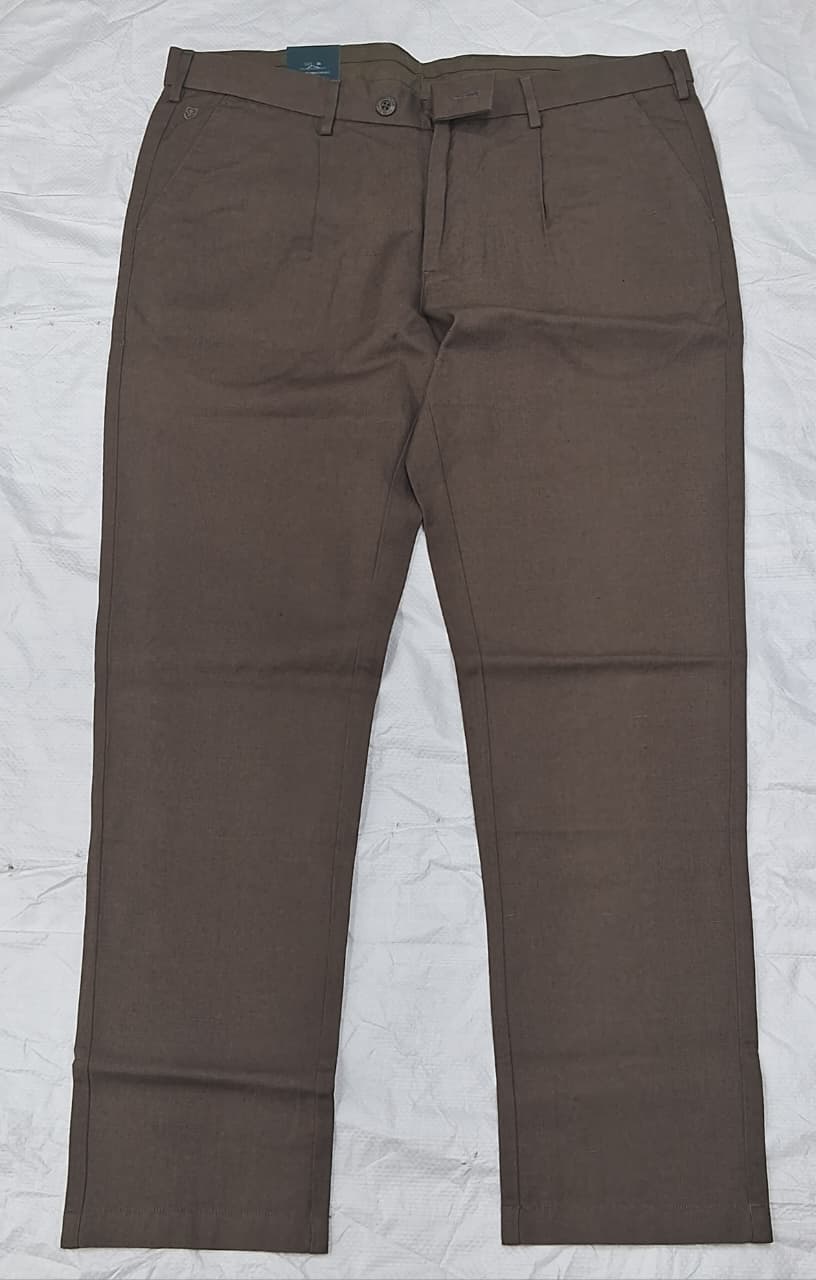
Pleats are folds of cloth stitched at the waistband beside the fly. They open as you sit or move, releasing extra room over the hips and thighs, and then fall closed when you stand. The result is comfort with a fluid, elegant drape.
Single pleats are subtle and modern; double pleats are more traditional. Forward-facing pleats open toward the fly, reverse pleats toward the pockets. Pleated trousers pair naturally with a slightly higher rise and a tapered leg — one of the defining silhouettes of current tailoring.
Relaxed, elegant, tailored
Formal occasions, creative offices
Tucked shirts, knit polos, loafers
Flat-Front Trousers
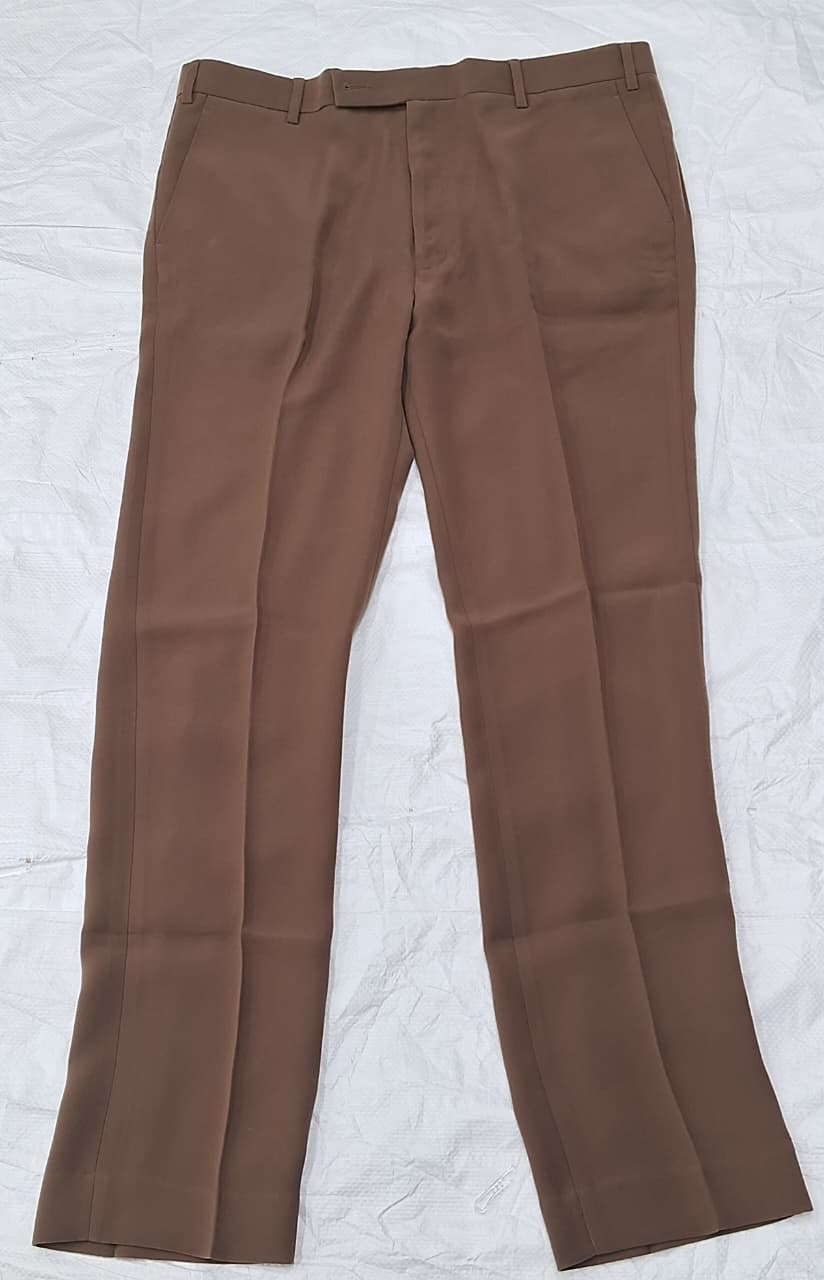
A flat-front trouser has no pleats: the front panel runs smoothly from waistband to hem. It is the cleanest, most minimal formal front and the most widely worn in offices today.
Flat fronts suit slim, straight and regular legs alike, and they keep the waist area visually quiet — ideal under a tucked shirt or a buttoned jacket. A good flat-front trouser should lie smooth when you stand, with pockets that stay closed.
Minimal, clean, modern
Every working day
Almost any shirt, jacket or shoe
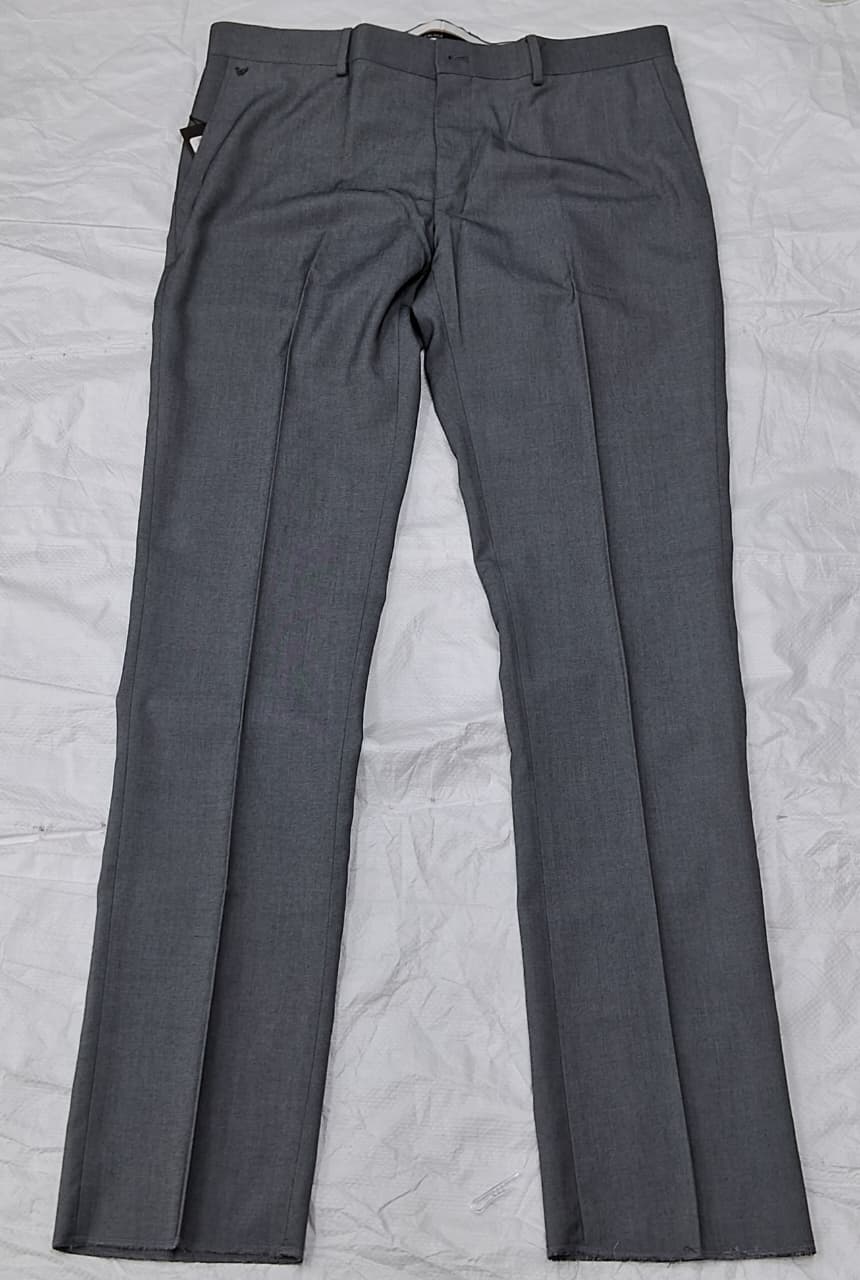
Tailored Trousers
Tailored trousers borrow the details of bespoke and suit trousers — an extended waistband tab, a clean interlined waistband, sharply pressed creases, jetted back pockets — and set them into contemporary proportions.
They are the most formal separates in a wardrobe: precise enough to wear with a dark jacket to an evening event, refined enough to elevate a plain shirt at the office. Their success depends on accurate fit and, where needed, small alterations to length and waist.
Precise, polished, refined
Formal events, senior meetings
Dark jackets, oxfords, fine shirts
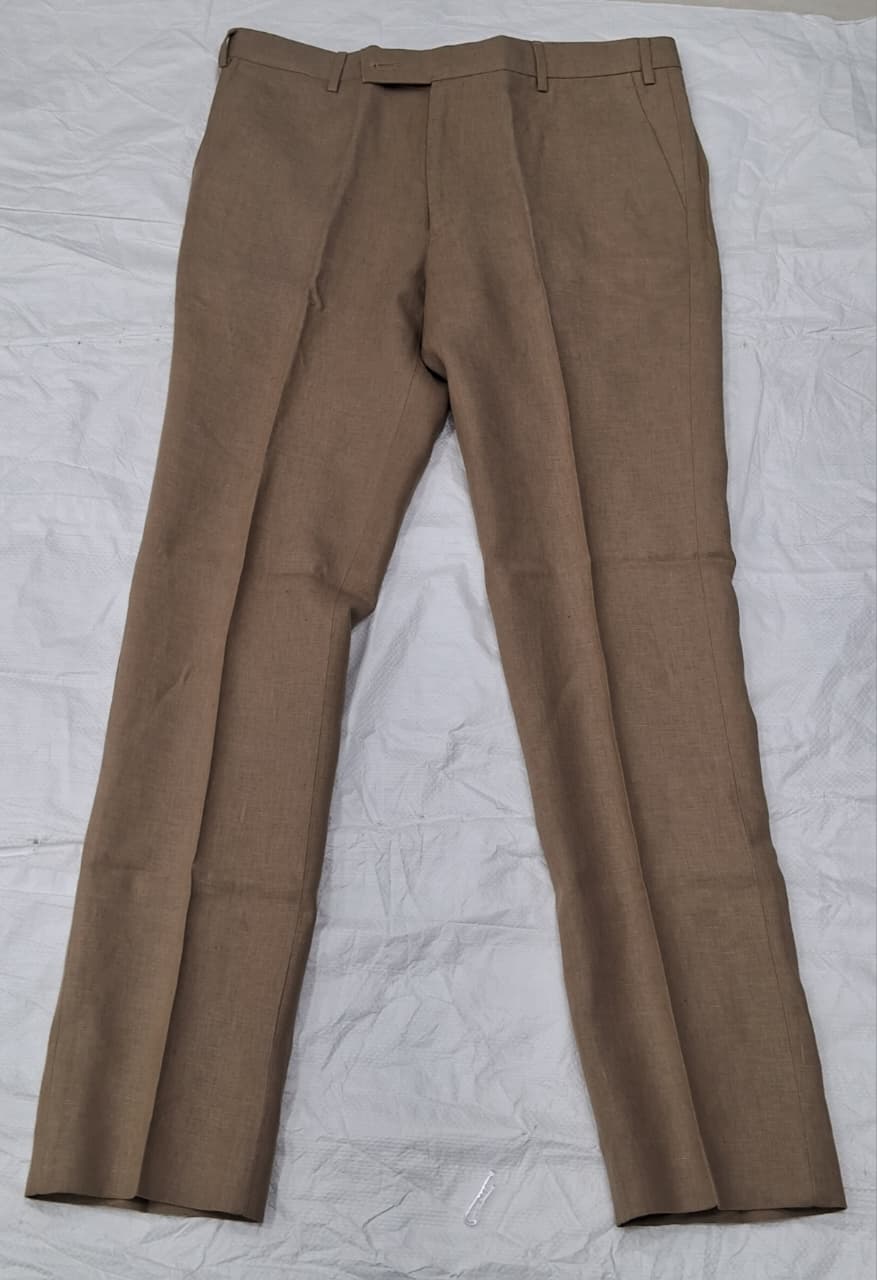
Fit, front, finish.
Every formal trouser is a combination of three choices: the fit (slim, regular, straight, tapered), the front (flat or pleated) and the finish (classic or tailored details). Decide them in that order.
Building a first wardrobe?
Start with a classic or straight flat-front trouser in charcoal, then add navy.
Athletic thighs?
Tapered or pleated cuts give room at the top and a neat line below.
Very formal setting?
Choose a tailored trouser in a dark, smooth cloth with a slight break.
Long, active days?
Regular or tapered fits in breathable blends keep you comfortable.